
Why You Must Add Social Proof to Your Website
Social proof is one of the six principles of influence described in Robert Cialdini's book "Influence: The Psychology of Persuasion" — a must-read, by the way.
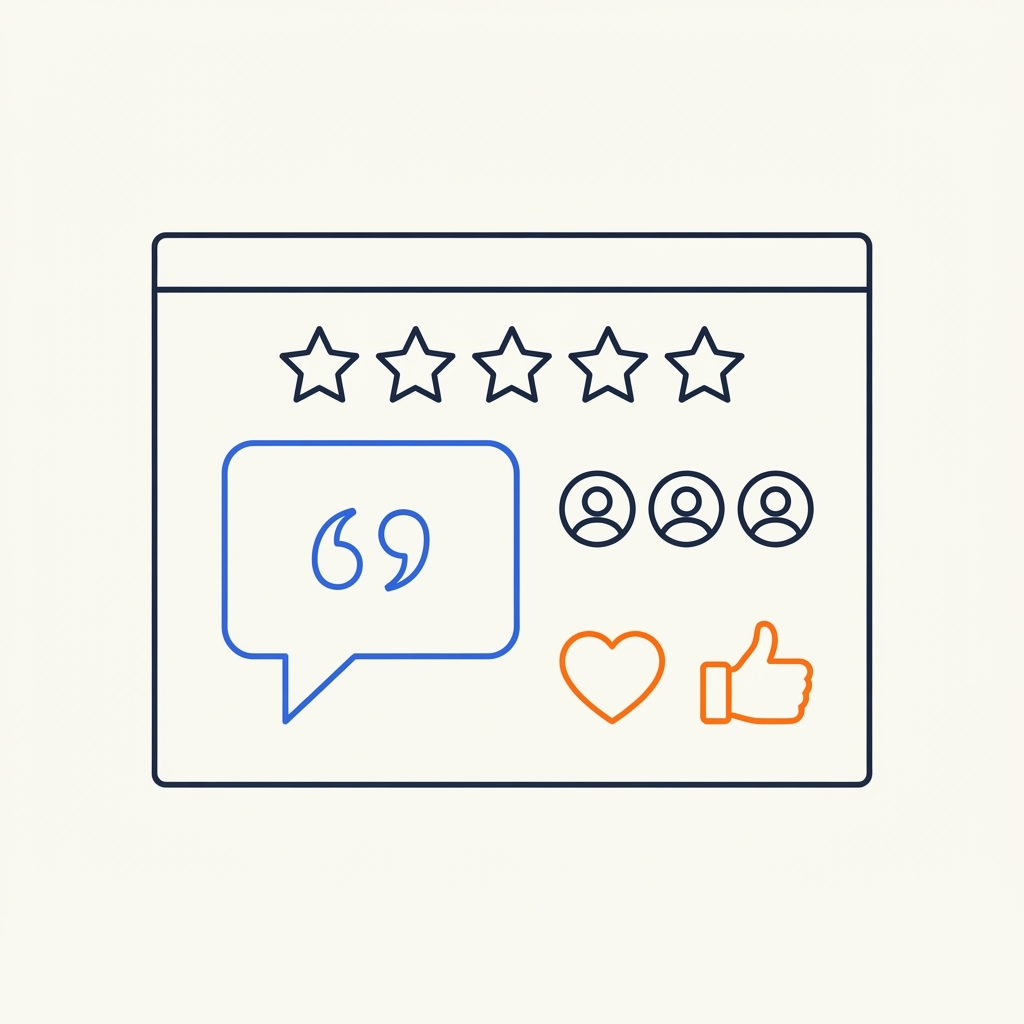
Cialdini's research found that social proof stems from people's insecurities and their desire to do the "right thing." Because we're guided by the behavior of others, you can represent the actions, beliefs, and advice of the crowd in your website design to influence visitors.
Adding social proof helps eliminate uncertainty and encourages visitors to take action with your business.
Examples of social proof on websites
- Reviews and testimonials — especially with photos or video.
- The number of comments on your blog posts.
- Social media count buttons, such as follower counts and likes.
- Behavior-related content, like a Best Sellers or Most Viewed list.
Don't overdo it
When you add social proof to your website, keep your primary call to action front and center. Some owners pile on too much — too many social buttons, for example — which can actually hurt your conversion rate. Use social proof to support the action you want visitors to take, not to distract from it.
A 5-minute habit to start today
Ask every customer you interact with for a review. If you meet customers in person, use your phone camera to record a short video testimonial on the spot. If you don't meet them face to face, email a link asking them to leave a review on a platform like Google or Yelp. Do this consistently and you'll build a steady stream of authentic social proof.
Ready to get your site future-ready?
Get a free website audit and a clear plan to get found on Google and AI engines.